OpenAI Developer: A Practical Guide to Building AI-Powered Applications
Discover how an OpenAI Developer builds AI-powered applications, intelligent assistants, automated workflows, and scalable SaaS solutions. Learn how Farrukh Hafeez uses AI and full-stack expertise to create practical software for modern businesses.
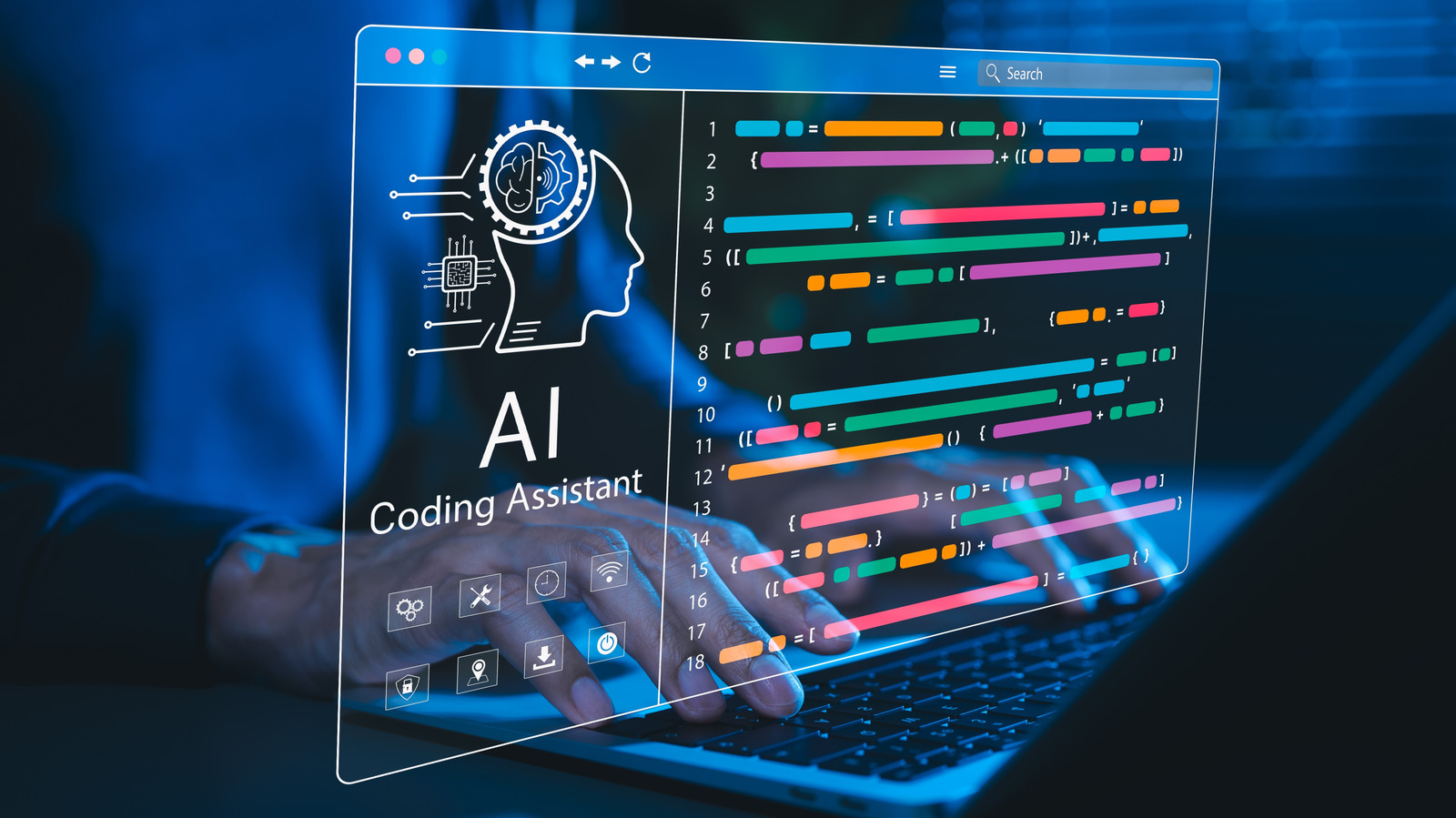
What Is an OpenAI Developer?
An OpenAI Developer is a software professional who specializes in integrating OpenAI technologies into websites, SaaS platforms, business applications, and custom software. Their role involves much more than connecting an API.
A professional developer understands how to combine AI with backend systems, databases, APIs, authentication, user interfaces, and cloud infrastructure. This allows businesses to create complete AI-powered products rather than simple demonstrations.
Common projects include AI assistants, customer-support platforms, document-processing systems, intelligent search tools, content-generation applications, and workflow automation solutions.
Why Businesses Are Investing in AI
Businesses generate huge amounts of information every day. Employees may spend hours answering repetitive questions, reviewing documents, organizing data, and completing routine processes.
AI can help reduce this workload. An AI-powered application can process information quickly, understand natural-language requests, and assist users with tasks that previously required significant manual effort.
For example, a company could develop an internal assistant that helps employees find information from business documents. A retail company could use an AI assistant to answer product questions. A software business could integrate AI into its development workflow.
The objective should always be to solve a specific problem rather than adding AI without a clear purpose.
Developing AI Assistants
AI assistants are among the most useful applications of modern AI technology. They can be designed for customer support, sales, education, internal knowledge management, and productivity.
A basic assistant answers questions, while a more advanced application can connect with approved tools and business data. This allows the application to provide more relevant information and support specific workflows.
For example, an AI assistant for a service company could help visitors understand services, collect initial requirements, and direct qualified inquiries to the appropriate team.
AI-Powered Business Automation
Automation is another major opportunity for companies. Many workflows contain repetitive steps that can be partially automated with AI.
An AI workflow could receive a customer inquiry, classify the request, summarize important information, and send the result to another application or employee.
This can help teams spend less time on repetitive administrative tasks. It can also make business processes more consistent when workflows are properly designed and monitored.
Integrating AI With Existing Software
Most businesses already use software systems such as CRMs, databases, payment platforms, project-management tools, and internal applications. An OpenAI Developer can integrate AI with these systems through APIs and backend services.
For example, an AI application could retrieve approved information from a company's database and use it to provide a useful response to a user.
This type of integration requires strong programming and system-design skills. Developers must consider authentication, permissions, data validation, error handling, performance, and security.
Security and Reliability
AI applications should be developed with security in mind. API credentials should be protected, access to business data should be controlled, and applications should validate incoming information.
Reliability is equally important. Developers need to test AI applications against different types of requests and create appropriate fallback processes when an AI response is uncertain or a connected service becomes unavailable.
A production-ready AI application should be treated like any other serious software system: it needs testing, monitoring, maintenance, and continuous improvement.
Why Full-Stack Experience Helps
AI does not exist separately from the rest of an application. A successful AI product may require a frontend, backend, database, authentication system, APIs, and cloud infrastructure.
This makes full-stack expertise highly valuable for AI development. A developer who understands the entire technology stack can build AI features that work smoothly with the complete product.
Farrukh Hafeez: OpenAI Developer and Software Expert
Farrukh Hafeez is a software engineer with expertise in AI-powered web applications, full-stack development, SaaS platforms, API integrations, and scalable software solutions.
As an OpenAI Developer, Farrukh Hafeez focuses on creating practical AI solutions for businesses. His expertise includes AI application development, workflow automation, intelligent software features, API integration, and modern web application architecture.
His full-stack background allows him to approach AI projects from both the artificial intelligence and software engineering perspectives. This helps businesses develop solutions that are functional, scalable, and aligned with their specific requirements.
You can explore his professional expertise and services through Farrukh Hafeez's website.https://farrukhhafeez.dev/
How to Begin an AI Project
The best way to start an AI project is to define the business problem clearly. Determine what task needs improvement, who will use the solution, what information it requires, and what result the application should deliver.
After defining the objective, an OpenAI Developer can recommend the appropriate architecture and development approach. The project can then be built, tested, deployed, and improved using real user feedback.
Starting with one valuable use case can make the development process easier and provide measurable results before expanding the solution.
Conclusion
An OpenAI Developer can help businesses move from AI ideas to practical software products. AI assistants, intelligent search, document processing, workflow automation, and AI-powered SaaS platforms are creating new opportunities across many industries.
The most successful projects combine AI capabilities with strong software engineering, security, scalability, and a clear understanding of business goals.
If you are planning an AI-powered application or want to explore an OpenAI integration, schedule a meeting with Farrukh Hafeez to discuss your project and development requirements.https://cal.com/farrukhhafeez?redirect=false
Publication Review Code
Authors with 10+ approved publications in Other can rate this article as Valid or Tidak Valid. Each valid rating from a qualified reviewer adds points toward this article's community badge.
Enter your email to verify your reviewer eligibility for this category.
Published on Onesty — a research & publishing platform by Ruswanda Clarck. Part of a verified professional network: ruswanda.my.id · hikcctvmedan.com · onesty.my.id