The Decline of Literacy in This Day and Age
When the price of a novel is equivalent to a week’s worth of groceries, it’s no wonder people are better versed in gossip than in knowledge. The system is to blame, not the readers.
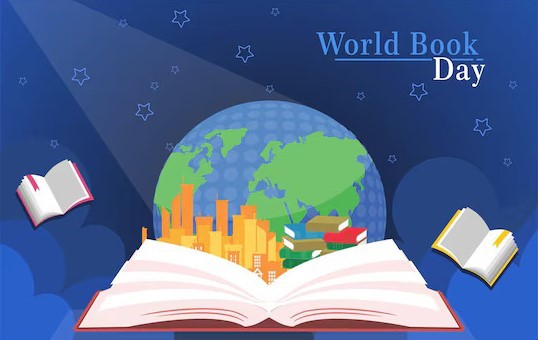
However, this idealistic beauty often clashes sharply with the reality of modern society, which is becoming increasingly pragmatic and instantaneous. We are witnessing an alarming phenomenon in which most people seem to be “allergic” to long texts. They prefer to spend hours scrolling through their phone screens, consuming trashy content, celebrity drama, or hoaxes that add no value whatsoever to their lives. This apathetic attitude is often labeled as laziness or voluntary ignorance (the deliberate choice to remain uninformed). Cultural critics frequently blame this generation for having lost the ability to think critically and deeply, choosing the instant dopamine rush of social media over the hard work of understanding the world’s complexities through reading.
The accusation that people are “stupid” or “lazy” is a dangerous oversimplification that ignores the real root of the problem: economic accessibility. Many people oppose this narrative of individual blame with highly rational arguments based on real data. For most Indonesians, buying a new book is not a trivial decision, but rather a significant financial sacrifice. The average price of a nonfiction book or novel published by a major publisher now ranges from 80,000 to 150,000 rupiah—an amount equivalent to the cost of decent meals for several days for a worker earning the minimum wage. Data from various book price surveys and reports on public purchasing power show that when basic needs such as food and transportation remain top priorities, books are considered a “non-essential” luxury item. So, it’s not that they don’t want to be smart—it’s that the economic system makes becoming smart too expensive.
Another external factor exacerbating this situation is an unfriendly tax structure and industrial policy. Indonesia is known to have a high tax burden and high distribution costs for the publishing industry. Effective January 1, 2025, the Value-Added Tax (VAT) rate officially increased to 12% for taxable goods, including general/commercial books, although textbooks and religious texts remain exempt. This policy contrasts with practices in many developed countries such as the United Kingdom, Canada, or Australia, which apply a zero percent (0%) or very low VAT rate to books to promote literacy. The previous government’s mistake lay in treating general books as purely commercial commodities without special incentives, as well as weak law enforcement against piracy, which costs the industry trillions of rupiah annually. This has created an expensive supply chain from upstream (imported paper) to downstream (retail taxes), which is ultimately passed on entirely to consumers.
Nevertheless, there is a breath of fresh air as the government is working toward change. Recognizing that literacy is the backbone of national progress, the Ministry of Finance and relevant stakeholders have begun optimizing policies. One of the latest concrete steps is the reduction of the final income tax (PPh) rate on authors’ royalties from 6% to 1.5%, effective May 2026. This measure aims to improve writers’ well-being and encourage the production of high-quality works. In addition, serious discussions are underway among legislative and executive branches to reevaluate the scope of the VAT exemption so that it is not limited to textbooks but also includes general knowledge and literary books. The government has also begun strengthening cooperation with the local paper industry to reduce dependence on imports, which is expected to significantly lower production costs in the future.
Ultimately, the solution to this literacy crisis is not solely the responsibility of the government or authors, but also a call for all of us to rediscover the value of a book. Let’s shift our mindset to recognize that reading is a long-term investment whose value far exceeds its physical cost. By supporting the purchase of original books, we help maintain a healthy ecosystem of knowledge. Let’s improve literacy not out of obligation, but out of the awareness that behind every page of a book lies the key to freeing our minds from the shackles of ignorance. Let’s open a book again, because the future of an intelligent nation begins with a single sentence we read today.
Publication Review Code
GEN-24082026-CD88B0
✓ Verify
Peer Review
Authors with 10+ approved publications in Other can rate this article as Valid or Tidak Valid. Each valid rating from a qualified reviewer adds points toward this article's community badge.
Enter your email to verify your reviewer eligibility for this category.
Published on Onesty — a research & publishing platform by Ruswanda Clarck. Part of a verified professional network: ruswanda.my.id · hikcctvmedan.com · onesty.my.id